
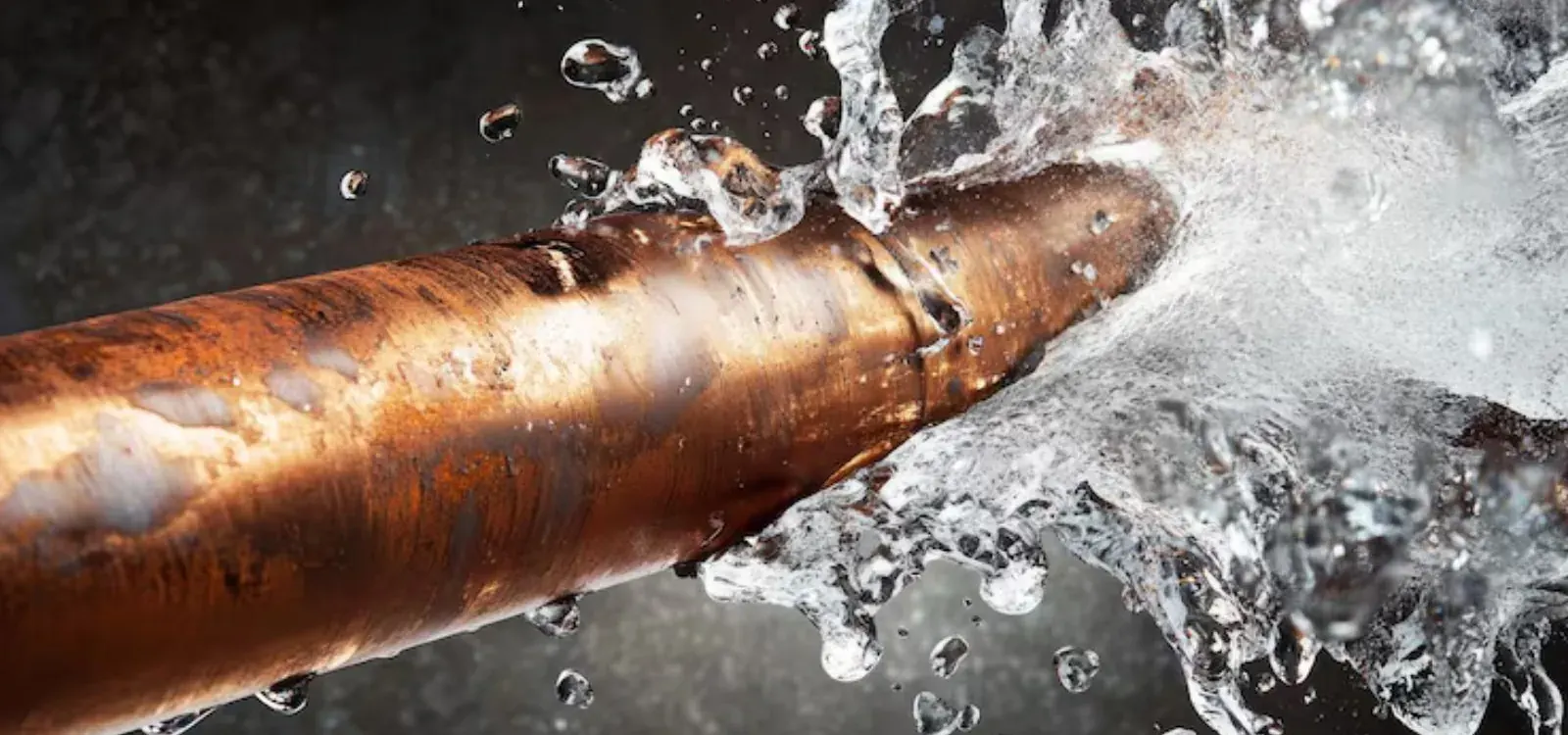
If a faucet in your Willoughby, OH home runs slow or stops in freezing weather, a pipe is probably frozen. Open that faucet, find the cold section of pipe, and warm it slowly with an electric hair dryer or heating pad. Never use a torch or any open flame.
If you see a split, a bulge or water spraying, shut off the main water valve first and call a licensed plumber. A frozen pipe often only breaks once it thaws, so the leak can start after you think the danger has passed.
What the Cleveland-area numbers mean for your pipes
National Weather Service normals for the Cleveland area show an average first fall freeze on October 28 and an average last spring freeze on April 23. That is a six month window each year when exposed lines can freeze, and the heart of it falls in January, with a mean temperature near 29 degrees Fahrenheit.
Cleveland averages 63.8 inches of snow and about 41 inches of precipitation a year, and Lake County sits in the lake-effect snow belt. Lake County Building Department's design table lists a winter design temperature of 5 degrees Fahrenheit. Treat any pipe in an unheated space as at risk once nights stay below freezing, not only during a polar outbreak.
Source: National Weather Service Cleveland climate normals and frost dates, and Lake County Building Department climatic and geographic design criteria table
Why pipes freeze, and why frost depth is not the whole story
Water expands as it turns to ice, and the pressure builds between the ice plug and a closed faucet. The pipe tends to fail where the ice is, but often the split shows up at a weaker point downstream.
Lake County Building Department's design table lists a frost depth of about 40 inches. Buried lines are meant to sit below that. That protects the street-to-house run, but the weak spots are in the house: where the line enters through a basement wall, along exterior walls and in crawl spaces and garages.
Water stopped or spraying?
Shut off the main if you can reach it, then call (440) 468-0237. Our emergency line runs 24/7.
Where pipes freeze first in Lake County homes
Most freeze-ups happen in a few predictable spots. Check these before the first hard freeze, and again if you are away.
| Location | Why it freezes | What to do before the cold |
|---|---|---|
| Pipes in exterior walls | Cold air reaches the wall cavity behind the insulation | Open cabinet doors on exterior sinks and keep the heat on |
| Crawl spaces and unheated basements | Drafts and no heat source | Seal air gaps, insulate pipes and close vents when cold |
| Garage supply lines | Garage door opens and the space drops below freezing | Insulate the lines and keep the door closed |
| Outdoor hose bibs | Water sits in the spigot after the hose is left on | Remove hoses, close the indoor shutoff and drain |
| Water meter and entry point | Cold wall or draft where the line enters | Seal the opening and check after cold nights |
| Lines over a porch, bay or overhang | Cold air wraps around the floor above | Insulate under the floor and keep the heat on |
Insulation slows freezing but does not stop it. Heat in the space is what protects the pipe.
How to thaw a frozen pipe without making it worse
Go slowly. Rushing with heat is how a frozen pipe turns into a burst one.
- 1
Open the faucet
Open the tap served by the frozen line so water can flow once the ice melts. Leaving it open also relieves pressure that builds behind the ice.
- 2
Find the frozen section
Feel along the pipe for the coldest spot or a frosty patch. If the pipe is visibly split or wet, stop and shut off the main water valve.
- 3
Warm with an electric source
Use an electric hair dryer or a heating pad on the cold section, starting at the end nearest the faucet and working toward the frozen part. Keep any heater away from anything flammable.
- 4
Keep heat on until water runs full
When water returns, leave the faucet open for a bit so any remaining ice can pass. Then check the pipe and the joints for drips.
- 5
Call if it will not thaw
If you cannot find the frozen spot, the pipe is behind a wall, or the heat is not working, stop. Call a licensed plumber.
No flame, ever
The American Red Cross says not to thaw a pipe with a blowtorch, kerosene or propane heater, charcoal stove or other open flame device. Flame can ignite insulation or framing and overheat the pipe.
If you smell gas at any time, leave the building and call the gas utility or 911 first.
Signs the pipe has already split
A frozen pipe can look fine until water returns. Check for low pressure when the tap opens, a wet ceiling, a bulge in the pipe, or a hiss behind a wall. Any of these means shut off the main and call.
If water is already flowing from a split, turn off the main water valve, open a lower faucet to drain the lines, and move belongings out of the wet area. Take photos for your insurance company. A plumber doing burst pipe repair will cut out the split and replace the section.
Hidden leaks after the thaw
Splits behind walls and under floors may not show right away. If the water meter keeps moving with every tap closed, or a wall feels damp, ask for leak detection. A plumber can find the point with tools instead of opening the whole wall.
Prevention that fits older housing
Wickliffe's housing stock is a good example. Census estimates put the median home there at 1957 construction, with nearly half built in the 1950s. Homes from that era may have supply lines in exterior walls or near unheated spaces, so a hands-on check in Wickliffe before each winter is cheap insurance.
Look for pipes along exterior walls, in garages and in crawl spaces. Insulate what you can reach, close crawl space vents in cold months, and keep the thermostat set at the same level day and night. When you travel, leave the heat on and ask someone to check the house.
When the pipe itself keeps failing
One frozen pipe is an accident. A pipe that freezes every winter is a design problem. A line routed through an exterior wall or an uninsulated garage ceiling may need to be rerouted.
If pipes are old, corroded or badly patched, a plumber may recommend repiping a section so the supply sits in a warmer part of the building. Repiping does not make a house freeze-proof, but moving a line inside the heated envelope makes the problem much less likely.
Code and standards for frozen pipe repairs
Pipes that split from ice must be replaced with materials the Ohio Plumbing Code, which is based on the International Plumbing Code (IPC), accepts for potable water. Insulation and heat tape should be listed products used as the label directs, because misused heat tape is a known fire cause.
Frozen pipe questions
The buried run from the street is meant to sit below frost depth, which Lake County Building Department's table lists as about 40 inches. The risk is where the line enters the house and along exterior walls, garages and crawl spaces. A cold snap can still freeze those spots.
A slow drip on a line at risk can help keep water moving and relieve pressure, but it is not a guarantee. Open cabinet doors, keep heat on, and watch for a freeze-up. A running tap that stops is a warning sign.
An electric space heater can warm a pipe if it is kept well away from anything flammable and not left unattended. The Red Cross lists hair dryers and heating pads as safer choices. Never use kerosene, propane or any open flame heater on a pipe.
Call Lake County Utilities West Sub-District at 440-918-3420, which is its 24/7 emergency line. If only your house has no water, suspect a frozen line inside your home or at the meter. A plumber can tell you which side of the meter the problem is on, and Willoughby Hills homes are served by the same utility.
Coverage often depends on whether the damage was sudden. Many policies cover water damage from a sudden burst but not gradual leaks. Call your insurer promptly, take photos of the damage before you clean up, and keep receipts for emergency repairs. Your plumber can write down what failed and where, which helps the claim.
Still have a question?
Call the 24/7 line and a person answers.